

round gold bathroom mirror with light
Understanding Bore Gauge Working Mechanism A bore gauge is a precision instrument widely used for measuring the internal diameter of cylindrical objects, such as holes and bores in machining and manufacturing components. This tool is essential in ensuring that parts are manufactured within specific tolerances, which can significantly affect performance, safety, and functionality in various applications. Understanding how a bore gauge works can help users utilize it effectively for accurate and reliable measurements. Components of a Bore Gauge The bore gauge consists of several key components a body, measuring heads, and a measuring mechanism, often employing a dial or digital display for readings. The body is typically designed for ease of handling and durability, made from materials that withstand wear and tear in industrial environments. The measuring heads, which come in various sizes and types, are responsible for contacting the bore surface to take measurements. Depending on the design, the gauge may have interchangeable heads to accommodate different bore sizes. Measurement Process To use a bore gauge, the user inserts the measuring head into the bore that needs to be measured. The gauge is adjusted so that the measuring ends make contact with the interior wall of the bore. As the gauge is adjusted, it is crucial to ensure proper calibration to guarantee accurate readings. Users must also pay attention to the positioning and alignment of the gauge to avoid errors caused by tilting or misalignment. Once the gauge touches the bore wall, the measuring mechanism is activated. For analog bore gauges, the movement of the measuring head results in the dial needle indicating the diameter on the scale. For digital bore gauges, the measurement is displayed in numerical form, providing a straightforward reading. Types of Bore Gauges bore gauge working There are several types of bore gauges, each suited for different applications. The two most common types are the dial bore gauge and the digital bore gauge. 1. Dial Bore Gauge This traditional style uses mechanical parts to indicate measurements. It consists of a dial, which translates the movement of the measuring head into a readable format. The simplicity of construction makes dial gauges more rugged, but they may require more manual interpretation. 2. Digital Bore Gauge This modern type uses electronic sensors to provide a digital readout. Digital gauges are often more precise and easier to read, offering the advantage of reduced human error in reading measurements. Additionally, some digital models can store measurements for further analysis. Importance of Calibration and Maintenance Regular calibration and maintenance of bore gauges are essential for ensuring measurement accuracy. Calibration involves checking the gauge against a standard and adjusting it to correct any discrepancies. Maintenance may include cleaning the gauge to remove debris, lubricating moving parts, and inspecting the measuring heads for wear. Conclusion Bore gauges play a crucial role in quality control across various industries, including automotive, aerospace, and manufacturing. Their ability to measure internal diameters with high precision helps ensure that components meet design specifications and function as intended. Understanding the working mechanism of bore gauges empowers users to make the most out of this essential measuring tool, ultimately leading to improved product quality and reliability. Whether using a dial or digital bore gauge, knowledge of proper usage and maintenance is key to achieving accurate and consistent results.
about
round gold bathroom mirror with light
Understanding Level Suppliers in Supply Chain Management In today’s globalized economy, the concept of suppliers plays a crucial role in the success and efficiency of any business. Among the various categories of suppliers, level suppliers are particularly significant, as they represent different tiers in the supply chain. Understanding level suppliers, their roles, and how they impact businesses is essential for anyone involved in supply chain management. What are Level Suppliers? Level suppliers are categorized based on their proximity to the manufacturer or end-user in the supply chain. They are often classified into three levels 1. First-Tier Suppliers These are direct suppliers who provide materials or components to manufacturers. For instance, if a car manufacturer sources tires directly from a tire manufacturer, the tire supplier is considered a first-tier supplier. 2. Second-Tier Suppliers These suppliers provide products or materials to first-tier suppliers. Using the car manufacturing example, if the tire manufacturer sources rubber from a rubber processor, that rubber processor is a second-tier supplier. 3. Third-Tier Suppliers Often further removed from the end manufacturer, these suppliers provide raw materials or components to second-tier suppliers. In our example, if the rubber processor sources natural rubber from plantations, then those plantations constitute third-tier suppliers. This tiered system helps businesses manage their relationships with suppliers more effectively, allowing them to understand the complexities of their supply chains and the interconnections between different supplier levels. Importance of Level Suppliers 1. Cost Management By identifying and managing levels of suppliers, businesses can better control costs. First-tier suppliers may charge more for their goods, but they often provide higher quality or more specialized products. By examining the entire supply chain, companies can find ways to reduce costs without sacrificing quality. level supplier 2. Quality Assurance The level of a supplier often directly impacts the quality of the finished product. Manufacturers must ensure that not only first-tier suppliers meet quality standards but also that second- and third-tier suppliers do as well. This can be achieved through supplier audits and assessments, ensuring that quality is maintained throughout the supply chain. 3. Risk Management Understanding supplier levels aids in risk management. Disruptions can occur at any level of the supply chain, so being aware of the entire network of suppliers helps businesses prepare for potential issues. For example, if a natural disaster impacts third-tier suppliers, it may affect first-tier suppliers, and consequently, the manufacturer. Being aware of these levels allows companies to diversify their supplier base, reducing dependency on single suppliers and mitigating risk. 4. Improving Collaboration Effective collaboration with suppliers at all levels can lead to innovation and improved processes. By fostering strong relationships with first, second, and third-tier suppliers, companies can encourage new ideas and solutions, leading to enhanced products and services. 5. Sustainability As sustainability becomes increasingly important in today’s market, companies must consider the practices of their suppliers at all levels. Understanding where materials come from allows firms to ensure they are sourcing sustainably, thereby improving their overall environmental impact. Challenges in Managing Level Suppliers While the benefits of managing level suppliers are numerous, challenges do exist. Communication can become complex as the number of supplier tiers increases, and ensuring compliance with standards at all levels can be difficult. Additionally, businesses often struggle with transparency in their supply chains, making it hard to track the origins of materials and the practices of all suppliers involved. Moreover, geopolitical issues, trade policies, and fluctuating market conditions can further complicate supplier relationships. Adopting technologies such as blockchain can help improve transparency and traceability in the supply chain, but these innovations also require investment and training. Conclusion In conclusion, understanding level suppliers is vital for creating an efficient and resilient supply chain. By categorizing suppliers, businesses can better manage costs, quality, risks, and sustainability practices. While challenges exist, the benefits of effectively managing level suppliers far outweigh the potential drawbacks. As the business landscape continues to evolve, organizations that prioritize and streamline their relationships with suppliers at all levels will be better positioned to thrive in an increasingly competitive environment.
-

High quality industrial productsagement

High quality industrial products
View Details -

Meet the diverse needs of customers

Meet the diverse needs of customers
View Details -

Strict quality control

Strict quality control
View Details -

Top raw materials

Top raw materials
View Details -

Trusted supplier

Trusted supplier
View Details
Our application
news and information
Various Categories of Gate Valves and Their Applications
Different Types of Gate Valves Gate valves are a type of valve that opens by lifting a gate out of t

Various Types and Functions of Water Control Valves Explained
Understanding Types of Water Control Valves Water control valves are critical components in plumbing
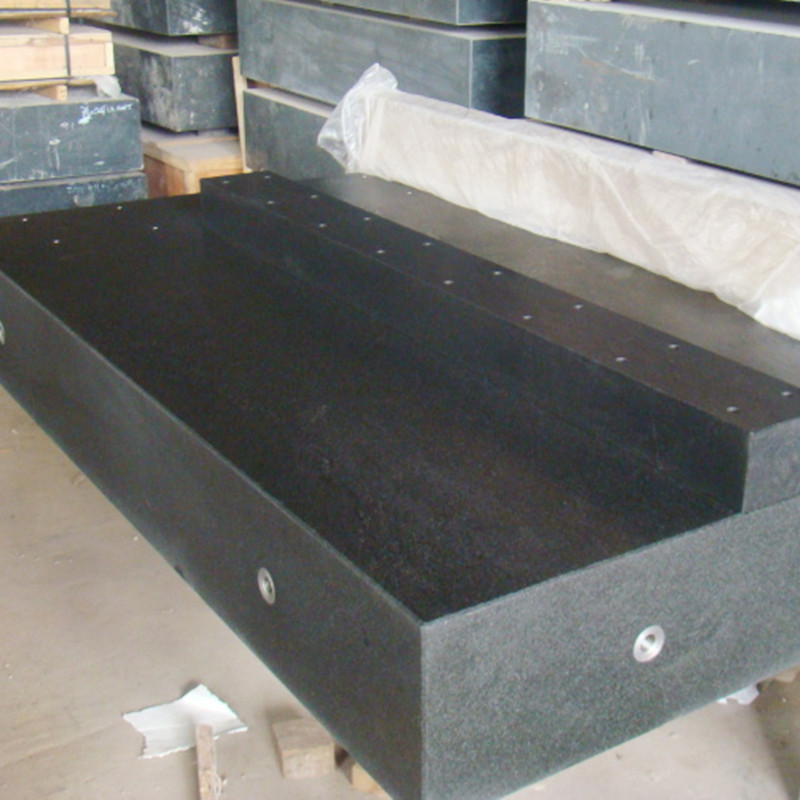
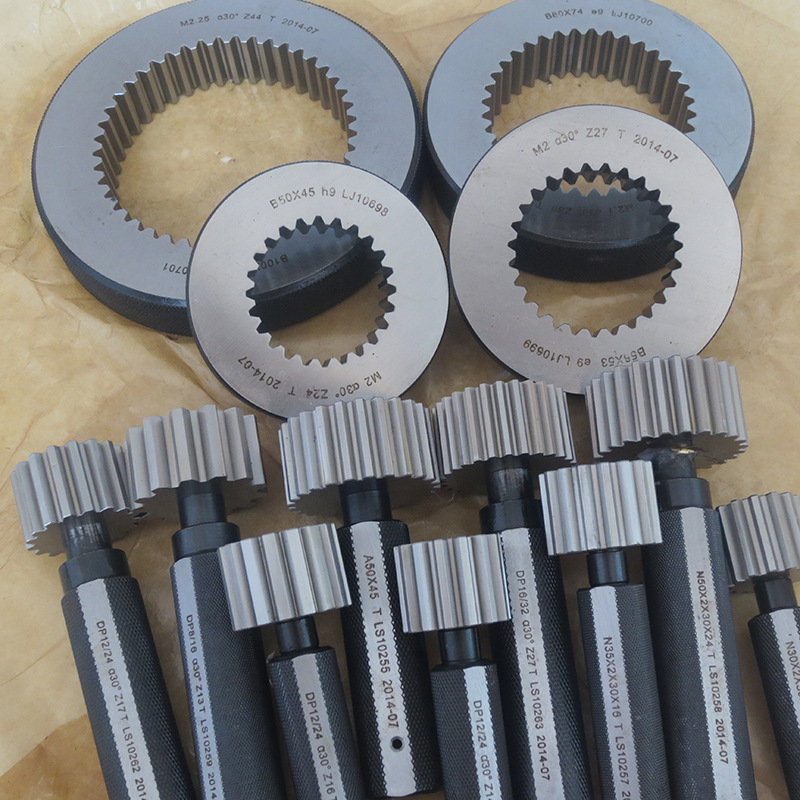
What is a Spline Ring Gauge_ Understanding Its Role in Precision Measurement
In the world of precision engineering and manufacturing, accurate measurements are the foundation fo
 English